

Are there any side effects of mobile vet ultrasound on animals?
As a supplier of Mobile Vet Ultrasound, I often get asked about the potential side effects of this technology on animals. In this blog post, I'll delve into the topic based on scientific evidence and my experience in the field.
Understanding Mobile Vet Ultrasound
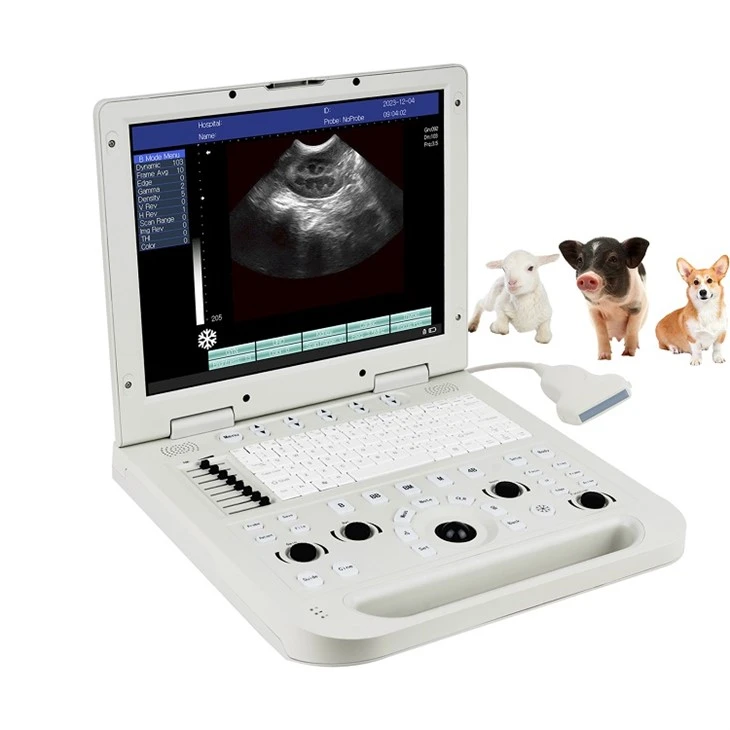
Mobile vet ultrasound is a non - invasive diagnostic tool that uses high - frequency sound waves to create images of the internal organs and tissues of animals. It's highly portable, which means veterinarians can bring the equipment directly to the animal's location, whether it's a farm, a pet's home, or a remote veterinary clinic. There are different types of mobile vet ultrasound devices available, such as the Laptop Ultrasound Machine, Handheld Veterinary Ultrasound, and Portable Veterinary Ultrasound For Various Animals.
The Safety of Mobile Vet Ultrasound
One of the key advantages of mobile vet ultrasound is its safety profile. Unlike some other diagnostic methods, such as X - rays which use ionizing radiation, ultrasound uses non - ionizing radiation. Ionizing radiation can cause damage to cells and DNA, increasing the risk of cancer and other health problems over time. Non - ionizing radiation, on the other hand, is considered much safer.
The sound waves used in ultrasound are typically in the range of 2 - 20 megahertz. These waves are directed into the animal's body, and when they encounter different tissues, they bounce back (echo) at different rates. A computer then processes these echoes to create an image. The energy levels of these sound waves are relatively low, and they do not cause significant heating or mechanical damage to the tissues under normal operating conditions.
Potential Minor Side Effects
While mobile vet ultrasound is generally safe, there are some potential minor side effects that can occur, although they are rare.
Skin Irritation
In some cases, the gel that is applied to the animal's skin to help transmit the sound waves can cause mild skin irritation. The gel is usually a water - based substance, but some animals may have an allergic reaction to it. This can manifest as redness, itching, or a rash at the site where the gel was applied. However, this type of reaction is usually short - lived and can be easily treated with a mild anti - inflammatory cream or by simply washing the area with mild soap and water.
Discomfort
Animals may experience some discomfort during the ultrasound examination, especially if they are not used to being handled or if the area being examined is sensitive. For example, if the veterinarian is trying to get a clear image of the abdomen and needs to apply some pressure with the ultrasound probe, the animal may feel a bit of pressure or squeezing. This discomfort is usually temporary and subsides once the examination is over.
Minimizing Risks
To minimize the potential side effects of mobile vet ultrasound, it's important to follow some best practices.
Gel Selection
Veterinarians should choose a high - quality, hypoallergenic ultrasound gel. Before applying the gel to a large area of the animal's body, it's a good idea to test a small amount on a less visible area of the skin, such as the inner thigh, to check for any allergic reactions.

Proper Training
The person performing the ultrasound examination should be properly trained. A well - trained operator will know how to use the equipment correctly, apply the right amount of pressure with the probe, and move the probe smoothly to get clear images without causing unnecessary discomfort to the animal.
Animal Comfort
Creating a calm and comfortable environment for the animal is crucial. This can involve using soft restraints if necessary, speaking to the animal in a soothing voice, and providing treats or rewards during and after the examination. This can help reduce the animal's stress levels and make the experience more pleasant for them.
The Benefits Outweigh the Risks
Despite the potential minor side effects, the benefits of mobile vet ultrasound far outweigh the risks. It allows for early detection of a wide range of health problems in animals, including pregnancy, tumors, organ damage, and digestive issues. Early detection often leads to more effective treatment and better outcomes for the animal.
For example, in the case of a pregnant animal, ultrasound can accurately determine the number of fetuses, their viability, and their stage of development. This information is invaluable for proper prenatal care and ensuring a successful delivery. In the case of a sick animal, ultrasound can help the veterinarian identify the source of the problem quickly, which can lead to a more targeted treatment plan.
Conclusion
In conclusion, mobile vet ultrasound is a safe and valuable diagnostic tool for animals. The potential side effects are generally minor and can be easily managed with proper precautions. As a supplier of mobile vet ultrasound equipment, I am confident in the safety and effectiveness of our products. If you are a veterinarian or an animal care provider looking for high - quality mobile vet ultrasound equipment, I encourage you to reach out to us to discuss your needs. We can provide you with detailed information about our products, including the Laptop Ultrasound Machine, Handheld Veterinary Ultrasound, and Portable Veterinary Ultrasound For Various Animals. Our team of experts is ready to assist you in finding the right solution for your practice.
References
- American College of Veterinary Radiology. (20XX). Guidelines for the use of ultrasound in veterinary medicine.
- International Society of Ultrasound in Medicine and Biology. (20XX). Safety standards for ultrasound imaging.
- Veterinary Journal. (20XX). A review of the safety and efficacy of mobile vet ultrasound in animal diagnostics.