

Can a portable ultrasound for dogs be used to examine the kidneys?
As a supplier of Portable Ultrasound For Dogs, I often encounter questions from veterinarians, pet owners, and animal care professionals about the capabilities of our devices. One of the most common inquiries is whether a portable ultrasound for dogs can be used to examine the kidneys. In this blog post, I will explore this topic in detail, discussing the feasibility, benefits, limitations, and best practices of using portable ultrasound to assess canine kidneys.
Feasibility of Using Portable Ultrasound for Kidney Examination in Dogs
Portable ultrasound devices have advanced significantly in recent years, offering high - resolution imaging capabilities that are comparable to traditional, larger ultrasound machines. These devices use sound waves to create images of internal organs, including the kidneys. The kidneys are relatively easy to access in dogs, as they are located in the abdominal cavity, and with proper positioning, a portable ultrasound can provide clear views of their structure and size.
The technology behind portable ultrasound allows for real - time imaging, which is crucial when examining the kidneys. Veterinarians can observe the blood flow within the kidneys, assess the shape and texture of the renal tissue, and detect any abnormalities such as cysts, tumors, or stones. This real - time feedback enables quick decision - making and immediate treatment planning.

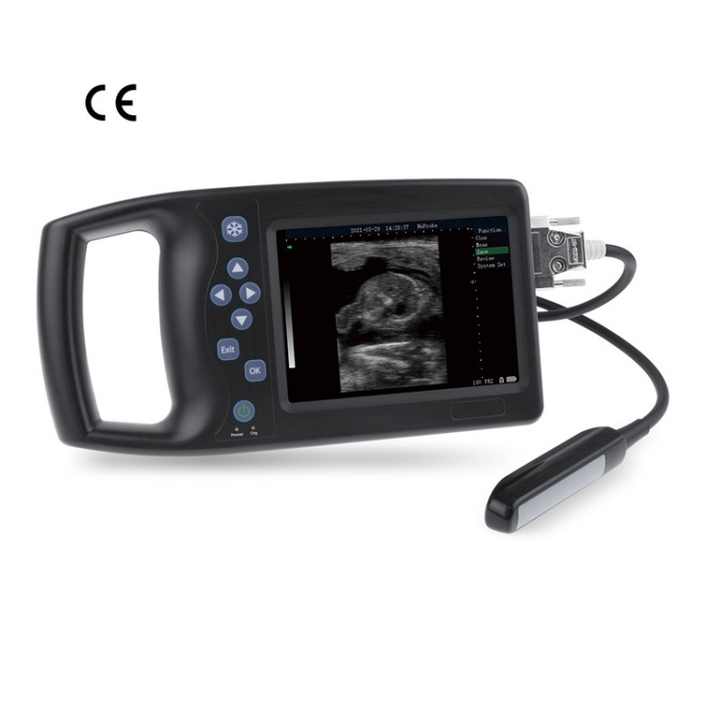
Benefits of Using Portable Ultrasound for Kidney Examination
- Convenience: One of the most significant advantages of portable ultrasound is its mobility. It can be easily transported to the location of the dog, whether it's a veterinary clinic, a farm, or a pet owner's home. This is especially beneficial for dogs that are difficult to transport due to their size, age, or health condition. For example, older dogs with mobility issues or dogs with severe kidney disease may find it stressful to travel to a clinic, and a portable ultrasound can bring the diagnostic tool to them.
- Cost - effectiveness: Portable ultrasound devices are generally more affordable than large, stationary machines. This makes them a viable option for small veterinary practices or animal rescue organizations with limited budgets. Additionally, the reduced need for referrals to specialized diagnostic centers can save both the veterinarian and the pet owner money.
- Early Detection: Regular kidney examinations using portable ultrasound can help detect kidney problems at an early stage. Early detection is crucial for the successful treatment of kidney diseases in dogs. By identifying issues such as kidney cysts or early signs of renal failure, veterinarians can start treatment earlier, potentially improving the dog's prognosis and quality of life.
Limitations of Portable Ultrasound for Kidney Examination
- Image Quality: While portable ultrasound technology has improved, the image quality may still be slightly inferior to that of larger, more expensive machines. In some cases, very small or subtle kidney abnormalities may be more difficult to detect with a portable device. However, with proper training and experience, veterinarians can often overcome these limitations.
- Operator Skill: The accuracy of kidney examination using portable ultrasound highly depends on the operator's skill. A veterinarian needs to have a good understanding of canine kidney anatomy and proper ultrasound techniques. Inadequate training can lead to misinterpretation of the images and missed diagnoses.
Best Practices for Using Portable Ultrasound to Examine Canine Kidneys
- Patient Preparation: Before the examination, the dog should be properly restrained to ensure a clear view of the kidneys. The hair over the abdominal area may need to be clipped to improve the contact between the ultrasound probe and the skin. A coupling gel is then applied to the skin to eliminate air between the probe and the body, which helps to obtain better images.
- Probe Selection: Different probes may be used depending on the size of the dog and the depth of the kidneys. A linear probe is often used for superficial imaging, while a curvilinear probe may be more suitable for deeper structures such as the kidneys in larger dogs.
- Systematic Examination: The veterinarian should perform a systematic examination of the kidneys, including assessing the size, shape, echogenicity (how the tissue reflects sound waves), and blood flow. Multiple views should be obtained to ensure a comprehensive evaluation.
Comparing with Other Diagnostic Tools
Portable ultrasound is not the only tool available for examining canine kidneys. Other diagnostic methods include blood tests, urine tests, and more advanced imaging techniques such as CT scans or MRI. Blood and urine tests can provide information about kidney function, but they may not give a clear picture of the kidney's structure. CT scans and MRI offer high - resolution images but are more expensive, require general anesthesia in most cases, and are not as readily available as portable ultrasound.
Portable ultrasound fills a unique niche in kidney diagnosis. It can provide valuable structural information in real - time without the need for anesthesia or expensive equipment. It can also be used for follow - up examinations to monitor the progress of kidney diseases.
Our Product Offerings
As a supplier, we offer a range of Portable Ultrasound For Dogs that are specifically designed for kidney examination and other veterinary applications. Our devices are equipped with high - quality probes and advanced imaging technology to ensure accurate and clear images. We also provide training and support to veterinarians to help them make the most of our products.
In addition to our Portable Ultrasound For Dogs, we also offer related products such as Mobile Vet Ultrasound, which is suitable for on - site veterinary services, Portable Ultrasound For Horse, and Portable Veterinary Ultrasound For Various Animals.
Conclusion
In conclusion, a portable ultrasound for dogs can indeed be used to examine the kidneys. It offers a convenient, cost - effective, and relatively non - invasive way to assess kidney health. While it has some limitations, with proper training and the right techniques, it can be a valuable tool in the early detection and management of kidney diseases in dogs.
If you are a veterinarian, animal care professional, or pet owner interested in learning more about our Portable Ultrasound For Dogs or other related products, we encourage you to contact us for a consultation. We are committed to providing high - quality products and excellent customer service to meet your needs.
References
- Thrall, D. E. (2012). Textbook of Veterinary Diagnostic Radiology. Elsevier Health Sciences.
- Lamb, C. R. (2011). Small Animal Clinical Nutrition. Mark Morris Institute.
- Center, S. A., & Langston, C. E. (2013). Canine and Feline Nephrology and Urology. Elsevier Health Sciences.