

Can mobile vet ultrasound be used for pregnancy detection in animals?
Mobile veterinary ultrasound technology has revolutionized the field of animal healthcare, offering veterinarians and animal owners a non - invasive and efficient way to diagnose various conditions. One of the most common applications of this technology is pregnancy detection in animals. As a supplier of Mobile Vet Ultrasound equipment, I am often asked about the feasibility and effectiveness of using mobile vet ultrasound for this purpose. In this blog post, I will explore the topic in detail, discussing the benefits, limitations, and best practices of using mobile vet ultrasound for pregnancy detection in animals.
Benefits of Using Mobile Vet Ultrasound for Pregnancy Detection
Non - invasive and Safe
One of the primary advantages of mobile vet ultrasound for pregnancy detection is that it is a non - invasive procedure. Unlike some other diagnostic methods, such as exploratory surgery, ultrasound does not require any incisions or the use of potentially harmful chemicals. This makes it a safe option for both the pregnant animal and the fetus. Ultrasound uses high - frequency sound waves to create images of the internal organs, including the reproductive tract. These sound waves are harmless and do not cause any pain or discomfort to the animal.
Early Detection
Mobile vet ultrasound allows for early detection of pregnancy in animals. In many species, pregnancy can be detected as early as a few weeks after conception. For example, in dogs and cats, pregnancy can often be detected around 20 - 25 days after mating, while in horses, it can be detected as early as 10 - 14 days post - ovulation. Early detection is crucial for several reasons. It allows veterinarians to provide appropriate prenatal care, including nutritional advice and monitoring for any potential complications. It also gives animal owners time to prepare for the arrival of the offspring, such as arranging for a suitable birthing environment and making necessary preparations for the care of the newborns.
Real - time Imaging
Another significant benefit of mobile vet ultrasound is the ability to obtain real - time images of the reproductive organs and the developing fetus. This allows veterinarians to assess the health and viability of the pregnancy. They can observe the number of fetuses, their size, and their position within the uterus. Real - time imaging also enables the detection of any abnormalities or complications, such as fetal distress, uterine infections, or placental problems. This information is invaluable for making informed decisions about the management of the pregnancy and the delivery of the offspring.
Portable and Convenient
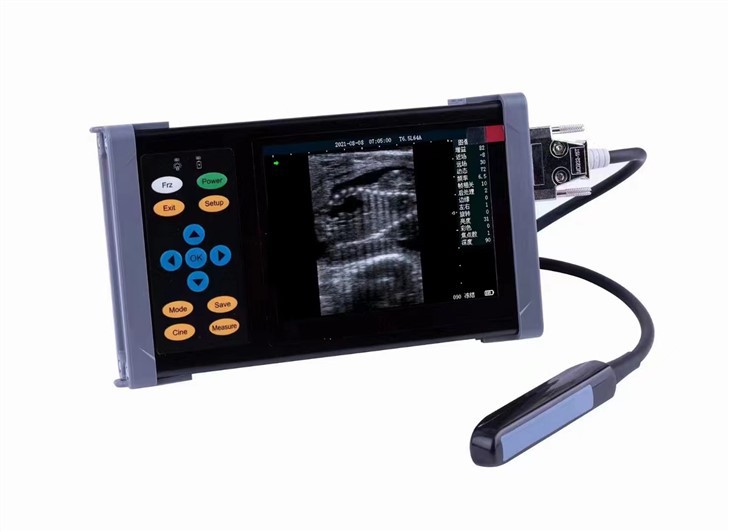
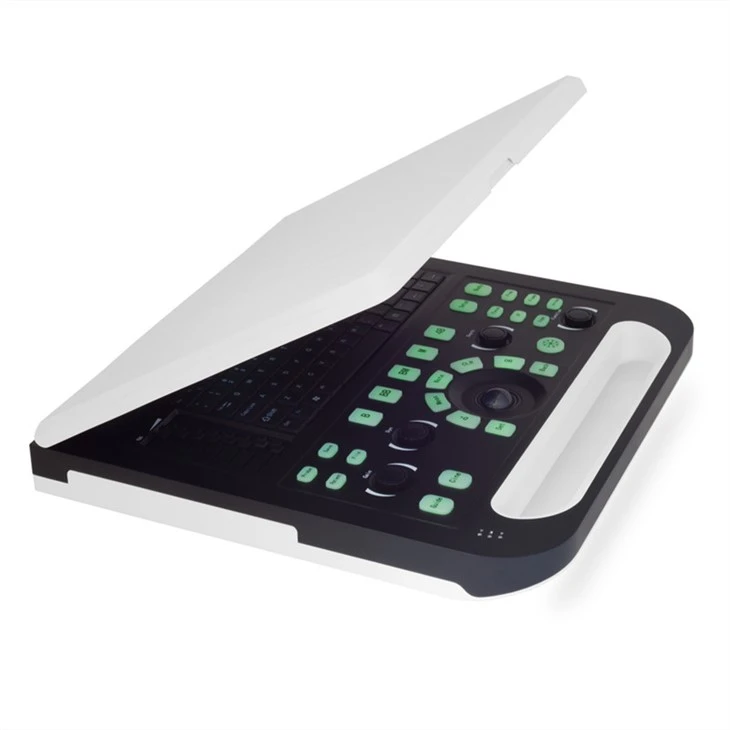
As a supplier of Mobile Vet Ultrasound equipment, I understand the importance of portability and convenience. Mobile vet ultrasound machines are designed to be lightweight and easy to transport, allowing veterinarians to perform pregnancy detection procedures on - site, whether it is at a farm, a veterinary clinic, or even in the animal's home. This eliminates the need to transport the animal to a specialized diagnostic facility, which can be stressful for the animal and inconvenient for the owner. Portable machines, such as the Portable Laptop Ultrasound Machine, offer the flexibility to perform ultrasound examinations in various settings, making it a practical option for veterinary practices of all sizes.
Limitations of Mobile Vet Ultrasound for Pregnancy Detection
Operator Skill
The accuracy of pregnancy detection using mobile vet ultrasound depends largely on the skill and experience of the operator. Interpreting ultrasound images requires specialized training and knowledge of the anatomy and physiology of the reproductive tract in different animal species. A novice operator may misinterpret the images, leading to false - positive or false - negative results. Therefore, it is essential for veterinarians to receive proper training in ultrasound techniques and to practice regularly to maintain their skills.
Animal Size and Body Condition
The size and body condition of the animal can also affect the accuracy of pregnancy detection using mobile vet ultrasound. In larger animals, such as cows and horses, it may be more challenging to obtain clear images of the reproductive organs, especially if the animal has a thick layer of fat. Similarly, in obese animals, the excess fat can interfere with the transmission of the ultrasound waves, making it difficult to visualize the fetus. In some cases, the position of the fetus within the uterus can also make it challenging to obtain a clear image.
Gestational Age
The accuracy of pregnancy detection using mobile vet ultrasound can vary depending on the gestational age of the animal. In the early stages of pregnancy, the fetus may be very small and difficult to visualize. As the pregnancy progresses, the fetus becomes larger and more easily detectable. However, in the later stages of pregnancy, the crowded uterus and the position of the fetus can also make it challenging to obtain a complete assessment of the pregnancy.
Best Practices for Using Mobile Vet Ultrasound for Pregnancy Detection
Choose the Right Equipment
As a Mobile Vet Ultrasound supplier, I recommend choosing high - quality equipment that is suitable for the species of animals you are working with. Different animal species require different ultrasound frequencies and probe types. For example, equine pregnancy detection may require a Equine Ultrasound Machine with a specific probe designed for use in horses. It is also important to ensure that the machine has good image quality and is easy to operate.
Prepare the Animal
Before performing an ultrasound examination, it is important to prepare the animal properly. This includes restraining the animal to ensure its safety and to prevent it from moving during the examination. The area of the abdomen where the ultrasound probe will be placed should be shaved and cleaned to improve the contact between the probe and the skin. A coupling gel is then applied to the skin to facilitate the transmission of the ultrasound waves.
Follow a Systematic Approach
When performing a pregnancy detection ultrasound, it is important to follow a systematic approach. Start by scanning the entire reproductive tract, including the ovaries, uterus, and cervix. Look for signs of pregnancy, such as the presence of a gestational sac, fetal heartbeat, or fetal movement. Take multiple images from different angles to ensure a complete assessment of the pregnancy.
Document the Findings
It is important to document the findings of the ultrasound examination. This includes taking clear images and recording the gestational age, number of fetuses, and any abnormalities or complications. This documentation can be used for future reference and for communication with other veterinarians or animal owners.
Conclusion
In conclusion, mobile vet ultrasound can be a valuable tool for pregnancy detection in animals. It offers several benefits, including non - invasiveness, early detection, real - time imaging, and portability. However, it also has some limitations, such as the need for operator skill, the influence of animal size and body condition, and the variability in accuracy depending on the gestational age. By following best practices and using high - quality equipment, veterinarians can effectively use mobile vet ultrasound to detect pregnancy in animals and provide appropriate prenatal care.
If you are interested in purchasing high - quality Mobile Vet Ultrasound equipment, including Equine Ultrasound Machine, Portable Laptop Ultrasound Machine, and Veterinary Ultrasound Probes, please feel free to contact us for more information and to discuss your specific needs. We are committed to providing the best products and services to support your veterinary practice.
References
- Smith, J. (2018). Veterinary Ultrasound: A Practical Guide. Publisher X.
- Johnson, A. (2019). Pregnancy Diagnosis in Animals: Techniques and Applications. Journal of Veterinary Science, 25(3), 123 - 135.
- Brown, C. (2020). Advances in Mobile Veterinary Ultrasound Technology. Veterinary Medicine Review, 30(2), 78 - 85.