

Can Onychom Antifungal Laser be used on nails with nail deformities?
Can Onychom Antifungal Laser be used on nails with nail deformities?

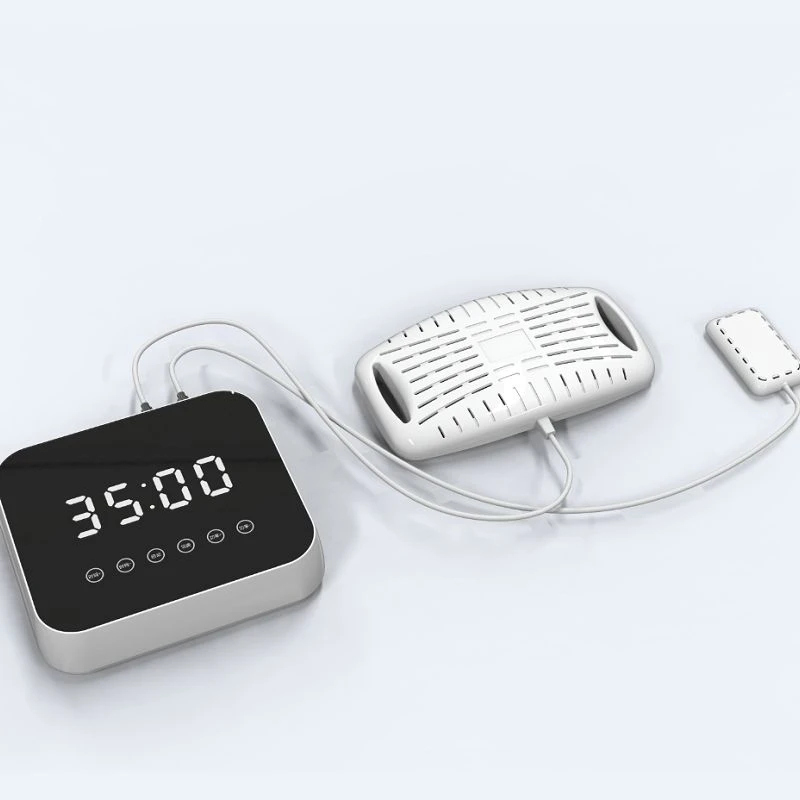
As a supplier of Onychom Antifungal Laser, I often receive inquiries from customers regarding the application of our product on nails with deformities. This is a crucial question that requires a comprehensive and scientific response. In this blog, I will delve into the topic, exploring the feasibility and considerations of using Onychom Antifungal Laser on deformed nails.
Understanding Nail Deformities
Nail deformities can manifest in various forms, including thickening, discoloration, crumbling, splitting, and abnormal shape. These deformities can be caused by a multitude of factors, such as fungal infections, trauma, nutritional deficiencies, systemic diseases, and genetic disorders. Fungal infections, in particular, are a common cause of nail deformities, leading to a condition known as onychomycosis.
How Onychom Antifungal Laser Works
Before discussing its application on deformed nails, it is essential to understand how Onychom Antifungal Laser operates. The laser emits a specific wavelength of light that targets the fungal cells within the nail. The energy from the laser is absorbed by the chromophores in the fungal cells, causing thermal damage and ultimately leading to their destruction. This non-invasive treatment method is designed to penetrate the nail plate and reach the underlying fungal infection without causing significant damage to the surrounding healthy tissue.
Feasibility of Using Onychom Antifungal Laser on Deformed Nails
In general, Onychom Antifungal Laser can be used on nails with deformities, but several factors need to be considered.
1. Severity of Deformity
Mild to moderate nail deformities are more likely to respond well to laser treatment. For example, if the nail is only slightly thickened or discolored, the laser can still effectively penetrate the nail plate and target the fungal infection. However, in cases of severe deformities, such as severely thickened or crumbling nails, the laser may have difficulty reaching the deeper layers of the nail where the fungus resides. In such instances, additional treatment steps or a longer treatment course may be required.
2. Underlying Cause of Deformity
If the nail deformity is primarily caused by a fungal infection, Onychom Antifungal Laser can be an effective treatment option. By eliminating the fungal infection, the nail may gradually return to its normal appearance. However, if the deformity is due to other factors, such as trauma or a systemic disease, the laser treatment may not address the root cause of the problem. In these cases, a comprehensive evaluation by a healthcare professional is necessary to determine the appropriate treatment approach.
3. Nail Structure and Integrity
The structure and integrity of the deformed nail also play a role in the effectiveness of laser treatment. If the nail is severely damaged or has large gaps or cracks, the laser energy may be scattered or absorbed unevenly, reducing its efficacy. Additionally, the presence of foreign objects or debris under the nail can interfere with the laser's ability to reach the fungal cells. Therefore, it is important to ensure that the nail is clean and free of any obstructions before treatment.
Considerations and Precautions
When using Onychom Antifungal Laser on nails with deformities, the following considerations and precautions should be taken:
1. Professional Assessment
Before starting laser treatment, it is crucial to have a professional assessment by a qualified healthcare provider or a trained technician. They can evaluate the severity of the nail deformity, determine the underlying cause, and assess the suitability of laser treatment. They can also provide personalized advice and guidance based on the individual's specific condition.
2. Treatment Plan
Based on the assessment, a customized treatment plan should be developed. This may include the number of treatment sessions, the intensity of the laser, and the interval between sessions. In some cases, additional treatments, such as topical antifungal medications or oral medications, may be recommended in conjunction with laser therapy to enhance the treatment效果.
3. Patient Education
Patients should be educated about the treatment process, including what to expect during and after treatment. They should be informed about the potential side effects, such as mild pain, redness, or swelling, which are usually temporary and subside within a few hours or days. Patients should also be advised to follow proper nail care practices, such as keeping the nails clean and dry, trimming them regularly, and avoiding tight-fitting shoes.
4. Monitoring and Follow-up
Regular monitoring and follow-up are essential to evaluate the progress of the treatment and make any necessary adjustments to the treatment plan. The healthcare provider should assess the improvement in the nail appearance, the reduction of fungal infection, and the overall patient satisfaction. In some cases, additional treatment sessions may be required to achieve the desired results.
Other Related Treatments and Products
In addition to Onychom Antifungal Laser, there are other related treatments and products available for nail problems. For example, Laser Treatment for Neck Pain uses laser technology to relieve neck pain, which is a different application of laser therapy. Another product is the Portable Vaginal Rejuvenation Wand, which is designed to improve vaginal health and rejuvenation. Additionally, Red Light Therapy for Prostate is a non-invasive treatment option for prostate-related issues.
Conclusion
In conclusion, Onychom Antifungal Laser can be a viable treatment option for nails with deformities, especially when the deformity is caused by a fungal infection. However, the feasibility of treatment depends on several factors, including the severity of the deformity, the underlying cause, and the nail structure. A professional assessment and a customized treatment plan are essential to ensure the effectiveness and safety of the treatment. If you are interested in learning more about Onychom Antifungal Laser or other related products, please feel free to contact us for further discussion and procurement opportunities.
References
- Gupta AK, Daigle D, Paquet M, et al. Laser and light therapy for onychomycosis: a systematic review. Journal of the American Academy of Dermatology. 2011;64(5):887-899.
- Rich P, Scher RK. Onychomycosis: diagnosis and treatment. American Family Physician. 2016;93(8):671-678.
- Elewski BE. Onychomycosis: diagnosis and treatment. Dermatologic Clinics. 2014;32(2):227-234.