

How do veterinary ultrasound probes help in orthopedic diagnoses?
Hey there, fellow animal lovers and veterinary pros! As a supplier of top - notch Veterinary Ultrasound Probes, I've seen firsthand how these nifty gadgets have revolutionized orthopedic diagnoses in the animal world. In this blog, I'm gonna break down just how these probes are making a difference in orthopedics.
Let's start with the basics. What exactly is a veterinary ultrasound probe? Well, it's a key part of an ultrasound machine. It sends out high - frequency sound waves that bounce off the internal structures of an animal's body. The returning echoes are then turned into images on a screen. These images can show a whole lot about what's going on inside, especially in the bones, joints, and soft tissues related to the orthopedic system.
One of the coolest things about ultrasound probes is their ability to give real - time images. Unlike some other imaging methods, you don't have to wait ages to see the results. When a vet is examining an animal with a suspected orthopedic issue, they can quickly get a clear view of the problem area. For example, if a dog has a limp, the vet can use a Handheld Ultrasound Probe to check for ligament tears, fractures, or joint inflammation right on the spot. This immediate feedback helps vets make faster and more accurate treatment decisions.
Another big advantage is that ultrasound is non - invasive. You don't have to cut into the animal to see what's going on. This is a huge plus for the animals, as it means less stress and a quicker recovery time. In orthopedic cases, it's especially important because many animals with orthopedic problems are already in pain. Using an ultrasound probe to diagnose the issue without surgery or other invasive procedures is much more comfortable for the furry patients.
Let's talk about different types of orthopedic problems and how ultrasound probes can help diagnose them. First up, fractures. In the past, X - rays were the go - to method for detecting fractures. But sometimes, X - rays can miss small or hairline fractures, especially in the early stages. Ultrasound, on the other hand, can pick up these subtle fractures. The probe can show the exact location and extent of the break, which is super important for planning the right treatment. Whether it's a simple splint or a more complex surgical repair, accurate fracture diagnosis is key.

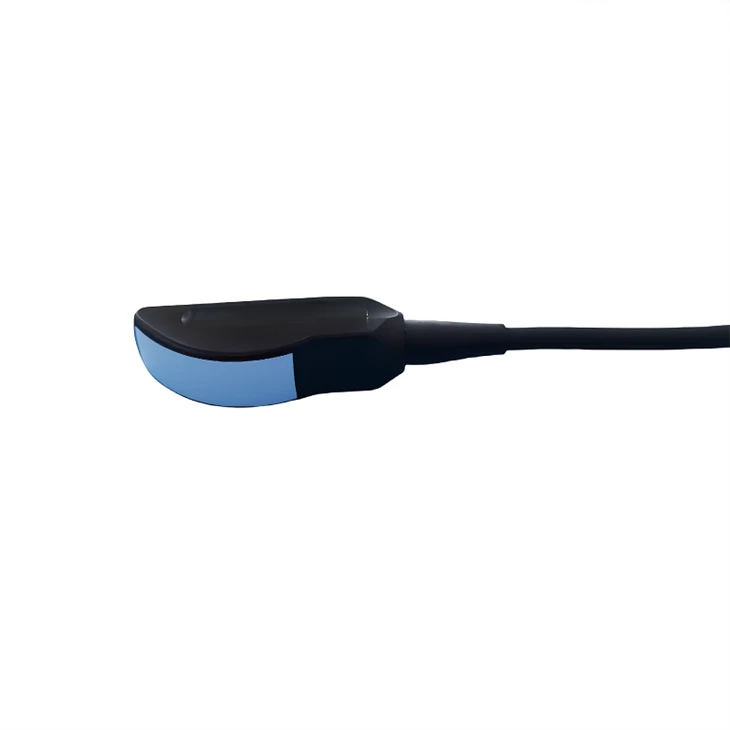
Ligament and tendon injuries are also common in animals, especially in active ones like sports dogs or horses. These soft - tissue injuries can be tricky to diagnose because they often don't show up clearly on X - rays. That's where ultrasound really shines. A Veterinary Portable Ultrasound Scanner can clearly show the condition of the ligaments and tendons. It can detect tears, strains, and inflammation, allowing vets to come up with a targeted treatment plan. For instance, if a horse has a tendon injury, the vet can use ultrasound to monitor the healing process over time and adjust the treatment as needed.
Joint problems are another area where ultrasound probes are extremely useful. Conditions like arthritis, joint effusion (fluid in the joint), and cartilage damage can all be diagnosed with ultrasound. By getting a detailed view of the joint, vets can determine the severity of the problem and decide on the best course of treatment. This might include medications, physical therapy, or in some cases, surgery.
Now, let's focus on a specific type of animal: horses. Horses are big, powerful animals, and they're prone to all sorts of orthopedic issues, especially in their legs. An Equine Ultrasound Machine is specially designed to handle the unique needs of horse orthopedics. These machines can provide high - resolution images of the horse's bones, tendons, and joints. They're also built to be durable enough to withstand the size and strength of horses. With an equine ultrasound machine, vets can quickly diagnose problems like suspensory ligament injuries, which are common in performance horses.
When it comes to choosing the right ultrasound probe for orthopedic diagnoses, there are a few things to consider. First, the frequency of the probe is important. Higher - frequency probes provide more detailed images but have a shallower penetration depth. Lower - frequency probes can penetrate deeper but may not give as much detail. Vets need to choose the right frequency based on the area they're examining. For example, when looking at superficial structures like tendons just under the skin, a higher - frequency probe might be best. But for deeper bones, a lower - frequency probe would be more appropriate.
The size and shape of the probe also matter. Different animals have different body shapes and sizes, and vets need a probe that can easily access the problem area. Handheld probes are great because they're portable and can be maneuvered easily around the animal's body. They're also useful for examining small animals or hard - to - reach areas.
As a supplier of Veterinary Ultrasound Probes, I know how important it is to have reliable and high - quality equipment. Our probes are designed with the latest technology to ensure accurate and clear images. We work hard to make sure that vets have the tools they need to provide the best possible care for their animal patients.
If you're a vet or involved in the animal care industry and are looking for top - notch veterinary ultrasound probes, we'd love to hear from you. Whether you're diagnosing a simple orthopedic issue or a complex one, our probes can make the process easier and more accurate. Don't hesitate to reach out to us for more information or to start a conversation about your specific needs. We're here to help you take the best care of your furry, feathered, or hoofed friends.
References
- "Veterinary Diagnostic Ultrasound" by Douglas W. Thrall.
- Various research papers on veterinary orthopedic ultrasound from scientific journals.