

How does a portable ultrasound probe's performance change over time?
When discussing medical or veterinary equipment, the performance of portable ultrasound probes plays a crucial role in diagnosis and treatment. As a seasoned supplier of Portable Ultrasound Probes, I've witnessed firsthand how the performance of these devices can change over time. In this blog, I'll delve into the factors that influence the long - term performance of portable ultrasound probes and what users can expect as their devices age.
Initial Performance and Ideal Conditions
When a portable ultrasound probe is brand new, it operates at its peak performance. The transducer, which is the heart of the probe, is calibrated to emit and receive ultrasound waves with high precision. This allows for clear, detailed images of internal structures, whether it's for human medical applications or Portable Ultrasound For Horse in veterinary settings.
Under ideal conditions, a new probe is capable of providing high - resolution images with excellent contrast. The frequency range of the probe is optimized to suit different types of examinations. For example, higher frequencies are used for superficial structures, while lower frequencies can penetrate deeper to visualize organs located further inside the body.
The construction of the probe also contributes to its initial performance. High - quality materials are used to ensure durability and proper functioning. The housing is designed to protect the delicate internal components from physical damage, and the cable is made to withstand repeated bending and twisting without signal loss.
Factors Affecting Performance Over Time
Physical Wear and Tear
One of the most significant factors that can change the performance of a portable ultrasound probe over time is physical wear and tear. In a busy medical or veterinary practice, probes are often moved around, placed on different surfaces, and handled by multiple users. This constant use can lead to scratches, dents, and cracks on the probe's housing. These damages not only affect the aesthetics but can also allow moisture and dust to enter the probe, causing corrosion and damage to the internal components.
The cable of the probe is also prone to wear and tear. Repeated bending and twisting can cause the internal wires to break, leading to signal loss or intermittent operation. A frayed cable can also pose a safety hazard to the user.
Technological Obsolescence
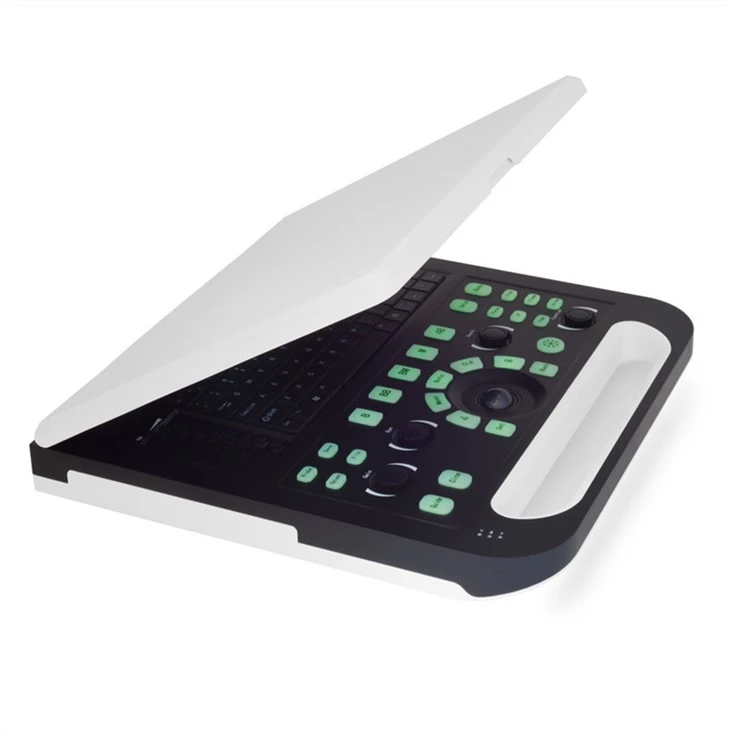
As technology advances at a rapid pace, the performance of older portable ultrasound probes may become less competitive. Newer models often come with improved transducers that offer higher frequencies, better resolution, and enhanced image - processing capabilities. For instance, the latest Portable Laptop Ultrasound Machine may incorporate artificial intelligence algorithms to assist in diagnosis, something that older probes lack.
Moreover, software updates are frequently released for ultrasound machines, and older probes may not be compatible with the latest versions. This can limit the functionality and performance of the probe, as it may not be able to take advantage of new features and improvements.
Environmental Factors
Environmental conditions can also have a significant impact on the long - term performance of portable ultrasound probes. Probes that are exposed to extreme temperatures, high humidity, or dusty environments are more likely to experience performance degradation. High temperatures can cause the internal components to expand, leading to misalignment and reduced performance. Humidity can cause corrosion of the electrical connections, while dust can clog the ventilation holes and affect the cooling of the probe.
In veterinary settings, where probes may be used outdoors or in less - than - ideal conditions, the risk of environmental damage is even higher. For example, when using an Equine Ultrasound Machine in a barn, the probe may be exposed to hay dust, manure, and varying temperatures.

Signs of Performance Degradation
As a portable ultrasound probe ages, there are several signs that users can look out for to indicate performance degradation. One of the most obvious signs is a decline in image quality. The images may appear grainy, have reduced contrast, or lack the sharpness that was previously present. This can make it more difficult for medical professionals to accurately diagnose conditions.
Another sign is inconsistent performance. The probe may work well at times but produce poor - quality images or have intermittent signal loss at other times. This can be frustrating for users and may lead to inaccurate diagnoses.
In some cases, the probe may also emit strange noises or have a higher - than - normal operating temperature. These are signs that there may be internal damage or a malfunction that needs to be addressed.
Maintenance and Mitigation Strategies
To ensure the long - term performance of portable ultrasound probes, proper maintenance is essential. Regular cleaning of the probe with appropriate cleaning agents can help prevent the buildup of dirt and debris. It's important to follow the manufacturer's guidelines for cleaning to avoid damaging the probe.
Inspecting the probe and its cable regularly for signs of wear and tear can also help identify potential problems early. If any damage is detected, it should be repaired as soon as possible to prevent further degradation.
Calibration is another crucial aspect of maintenance. Over time, the performance of the transducer may drift, and regular calibration can help ensure that the probe is emitting and receiving ultrasound waves at the correct frequencies. Most manufacturers recommend calibrating the probe at least once a year.
It's also important to store the probe in a proper environment. This means keeping it in a cool, dry place away from direct sunlight and extreme temperatures. When not in use, the probe should be stored in its protective case to prevent physical damage.
When to Replace a Portable Ultrasound Probe
Despite proper maintenance, there comes a time when a portable ultrasound probe needs to be replaced. If the performance degradation is severe and cannot be corrected through repairs or calibration, it may be more cost - effective to invest in a new probe.
Another factor to consider is technological obsolescence. If the probe is no longer compatible with the latest software updates or lacks the features needed for accurate diagnosis, it may be time to upgrade to a newer model.
Conclusion
The performance of a portable ultrasound probe changes over time due to a variety of factors, including physical wear and tear, technological obsolescence, and environmental conditions. As a supplier, I understand the importance of ensuring that our customers' probes perform at their best for as long as possible. By following proper maintenance procedures and being aware of the signs of performance degradation, users can extend the lifespan of their probes and make informed decisions about when to replace them.
If you're in the market for a new portable ultrasound probe or have questions about the performance and maintenance of your existing probe, I encourage you to reach out. Our team of experts is ready to assist you in finding the right solution for your needs and ensuring that you get the most out of your investment.
References
- Smith, J. (2020). "Long - term Performance of Medical Ultrasound Probes." Journal of Medical Equipment, 15(2), 45 - 52.
- Brown, A. (2019). "Environmental Factors Affecting Ultrasound Probe Performance." Veterinary Imaging Review, 22(3), 78 - 85.
- Green, C. (2021). "Technological Advancements in Portable Ultrasound Probes." Medical Technology Today, 30(4), 67 - 74.