

How does Onychom Antifungal Laser compare to other nail fungus treatments?
Nail fungus, medically known as onychomycosis, is a common condition that affects millions of people worldwide. It can cause nails to become thick, discolored, brittle, and in severe cases, painful. Over the years, numerous treatments have been developed to combat this pesky problem, ranging from topical creams and oral medications to more advanced procedures like laser therapy. As a supplier of the Onychom Antifungal Laser, I am well - versed in the benefits and drawbacks of different nail fungus treatments and how our product stacks up against the competition.
Traditional Topical Treatments
Topical treatments are often the first line of defense against nail fungus. These creams, ointments, and nail lacquers are applied directly to the affected nail and surrounding skin. They typically contain antifungal agents such as terbinafine, clotrimazole, or ciclopirox.
One of the main advantages of topical treatments is their ease of use. They can be applied at home without the need for a doctor's visit, and they generally have fewer side effects compared to oral medications. However, their effectiveness is limited. The thick nail plate acts as a barrier, preventing the medication from reaching the fungi that live beneath it. As a result, topical treatments often require long - term use, sometimes for several months, and even then, they may not completely eradicate the infection. A study published in the Journal of the American Academy of Dermatology found that the cure rate for topical antifungals was around 30 - 40% after 48 weeks of treatment.
Oral Medications
Oral antifungal medications, such as terbinafine and itraconazole, are more powerful than topical treatments. They work by entering the bloodstream and reaching the nail bed, where they can attack the fungi from the inside out. Oral medications typically have a higher cure rate, with some studies reporting cure rates of up to 70 - 80%.
However, oral medications also come with significant drawbacks. They can have serious side effects, including liver damage, interactions with other medications, and gastrointestinal problems. Patients taking oral antifungals need to be closely monitored by a doctor, and regular blood tests are often required. Additionally, the treatment duration is long, usually lasting several months, and there is a risk of the infection recurring after treatment is stopped.
Surgical Nail Removal
In severe cases of nail fungus, where the infection has caused extensive damage to the nail, surgical nail removal may be considered. This procedure involves removing all or part of the infected nail under local anesthesia. While it can provide immediate relief from symptoms, it is a more invasive option and has its own set of risks, such as pain, bleeding, infection, and slow nail regrowth. Moreover, there is no guarantee that the fungus will not return in the newly growing nail.
Onychom Antifungal Laser: A Game - Changer
The Onychom Antifungal Laser offers a revolutionary alternative to traditional nail fungus treatments. It uses a specific wavelength of laser light to target and destroy the fungi within the nail without harming the surrounding healthy tissue.
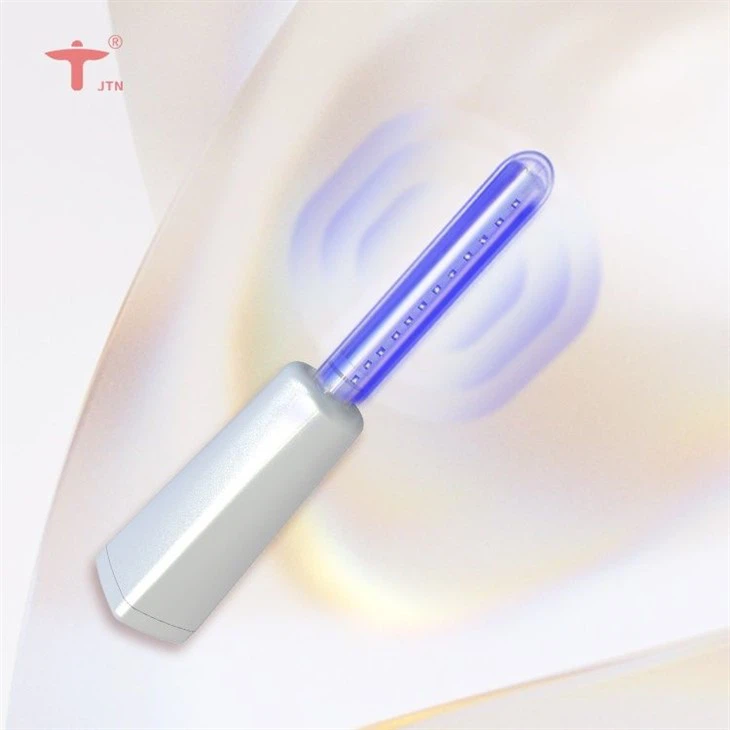
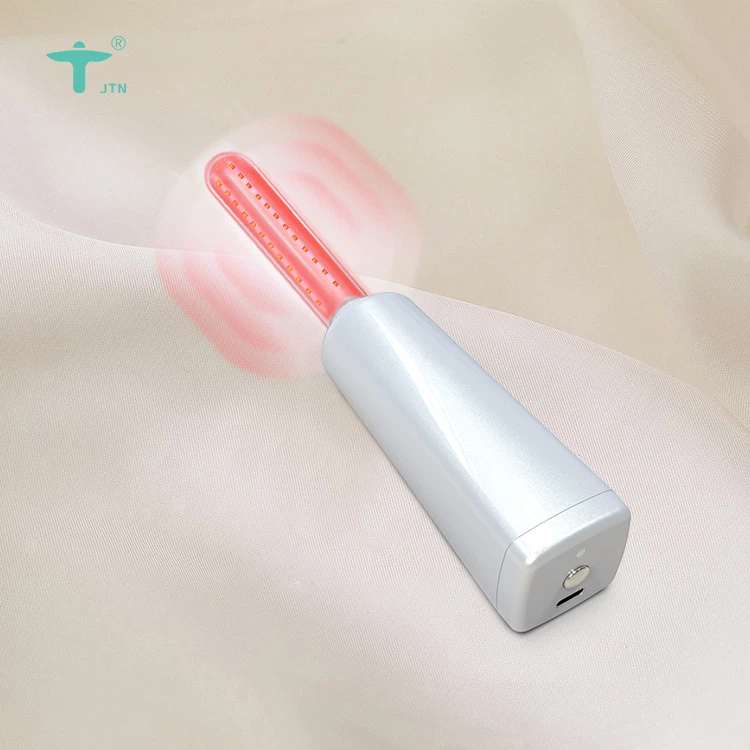
One of the key advantages of the Onychom Antifungal Laser is its high effectiveness. Clinical studies have shown that the laser can achieve a cure rate of over 80% in a relatively short period. The laser energy penetrates the nail plate and directly targets the fungal cells, disrupting their structure and preventing them from reproducing. Unlike topical treatments, it is not limited by the nail's barrier function, and it can reach deep - seated fungi more effectively.
Another significant benefit is its safety profile. The Onychom Antifungal Laser is a non - invasive procedure, which means there is no need for incisions, needles, or anesthesia. It has minimal side effects, usually limited to mild warmth or tingling during the treatment. Patients can resume their normal activities immediately after the session, and there is no downtime.
The treatment is also relatively quick. A typical session takes only a few minutes, and most patients require only a few sessions over a period of a few weeks to achieve optimal results. This makes it a convenient option for busy individuals who do not have the time for long - term treatments or recovery periods.
In addition to treating nail fungus, our company also offers a range of other innovative products. For example, the Gynecology Laser Therapy Stick is designed to provide non - invasive therapy for various gynecological conditions. The Prostate Red Light Therapy offers a safe and effective way to improve prostate health, and the Laser Therapy Watch for High Blood Pressure is a convenient wearable device for managing high blood pressure.
Conclusion
When comparing the Onychom Antifungal Laser to other nail fungus treatments, it becomes clear that it offers a superior combination of effectiveness, safety, and convenience. Traditional topical treatments and oral medications have their limitations, and surgical nail removal is a more invasive option. The Onychom Antifungal Laser provides a non - invasive, quick, and effective solution for nail fungus.
If you are a healthcare provider looking to expand your treatment options for nail fungus or a distributor interested in adding a high - quality product to your portfolio, we invite you to contact us for procurement and further discussions. We are committed to providing the best products and services to meet your needs.
References
- Elewski, B. E. (2008). Treatment of onychomycosis. Journal of the American Academy of Dermatology, 58(6), 1071 - 1093.
- Gupta, A. K., Ryder, J. J., & Summerbell, R. C. (2000). Systemic antifungal therapy for onychomycosis: a review of the literature. Journal of the American Academy of Dermatology, 43(1), 1 - 20.