

What are the special requirements for veterinary ultrasound of the eye?
Hey there, fellow animal lovers and veterinary pros! I'm stoked to be here, chatting about one of the most fascinating areas in veterinary medicine: eye ultrasounds. As a supplier of top - notch veterinary ultrasound equipment, I've seen firsthand how this technology can revolutionize eye examinations in animals. So, let's dive right in and explore the special requirements for veterinary ultrasound of the eye.
Understanding the Basics of Eye Ultrasound in Vet Medicine
First off, why do we even use ultrasound for the eyes in the veterinary world? Well, it's a non - invasive way to get a detailed look inside the eye. This can help diagnose issues like cataracts, retinal detachments, and even tumors. Unlike some other imaging methods, ultrasound can provide real - time images, which is super useful when you need to make quick decisions about a patient's treatment.
Now, the eye is a delicate and complex organ. It has different layers and structures, each with its own unique characteristics. To get accurate images of these structures, we need to pay close attention to a few key requirements.
Equipment Requirements
The type of ultrasound machine you use matters a whole lot. For eye ultrasounds, you need a high - frequency transducer. This is because the eye is a small and detailed organ, and high - frequency sounds can provide better resolution. Most of the time, a transducer with a frequency of 10 - 20 MHz is ideal. It can pick up the fine details of the eye's structures, like the lens, retina, and vitreous humor.
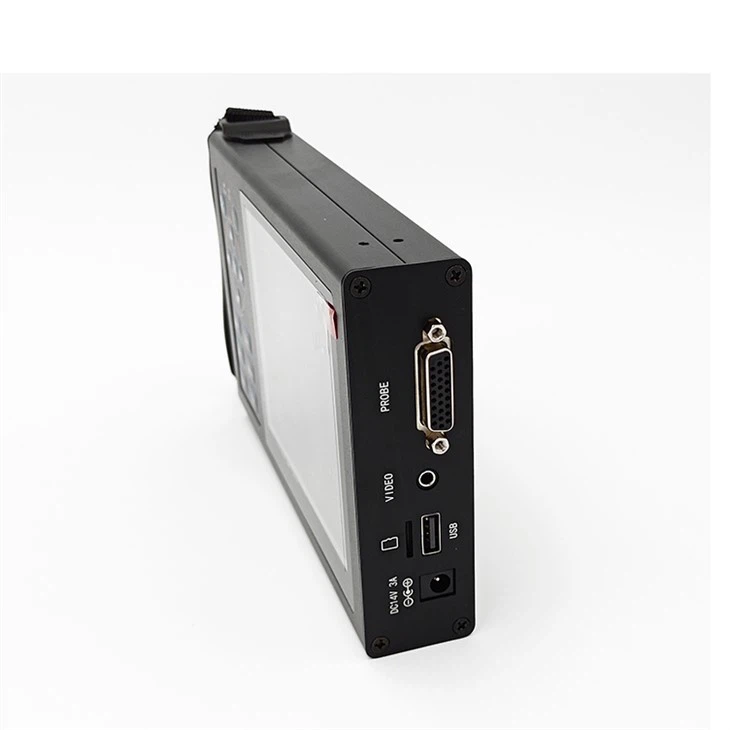
At our company, we offer a range of top - quality Portable Ultrasound For Horse that comes with different transducers, including those suitable for eye examinations. Our machines are designed to be easy to use, even for those who are new to ultrasound technology. They also have advanced features that can enhance the image quality, such as adjustable gain and depth settings.
The Portable Veterinary Ultrasound For Various Animals in our lineup is another great option. It's versatile and can be used for different types of animals, from small pets to large livestock. This means you can use it for eye exams on dogs, cats, horses, and more. And when it comes to eye ultrasounds, having a machine that can adapt to different patient sizes is crucial.
Preparation of the Patient
Preparing the animal for an eye ultrasound is just as important as having the right equipment. First, you need to make sure the animal is calm and relaxed. This can be a bit tricky, especially if the animal is in pain or stressed. You might need to use some mild sedatives or local anesthetics to keep the animal still during the examination.
Next, you'll need to clean the eye area. Use a gentle, non - irritating cleanser to remove any debris or discharge. This will ensure that the ultrasound gel can make good contact with the eye surface, which is essential for getting clear images.
Technique and Operator Skills
Performing an eye ultrasound requires a certain level of skill and technique. The operator needs to be familiar with the anatomy of the eye and know how to position the transducer correctly. The transducer should be placed gently on the closed eyelid or directly on the cornea (if using a sterile coupling agent).
You also need to be able to adjust the settings on the ultrasound machine based on what you're seeing. For example, if the image is too dark, you might need to increase the gain. If the structures are out of focus, you can adjust the depth setting.
Our Portable Ultrasound For Dogs comes with training resources to help operators improve their skills. We believe that having well - trained operators is key to getting accurate and useful results from our ultrasound machines.
Special Considerations for Different Animal Species
Different animals have different eye structures and sizes. For example, the eyes of a small dog are much different from those of a horse. When performing an eye ultrasound, you need to take these differences into account.
In small animals like dogs and cats, the eye is relatively small, so you need to be extra careful when positioning the transducer. You might also need to use a smaller - sized transducer to get a good view of the eye.
On the other hand, horses have large eyes. This means you can use a larger transducer, but you also need to be aware of the horse's behavior and make sure it's safe for both the animal and the operator during the examination.
Image Interpretation
Once you've got the ultrasound images, the next step is to interpret them. This requires knowledge of normal eye anatomy and the ability to recognize abnormal findings. For example, a normal lens should appear homogeneous and echogenic, while a cataract will show as an area of increased echogenicity.
Retinal detachments can be identified by the presence of a floating membrane within the vitreous humor. Tumors might appear as masses with different echogenicities, depending on their composition.
If you're new to eye ultrasound image interpretation, don't worry. We offer support and resources to help you learn. Our team of experts can provide guidance and answer any questions you might have.
Safety and Hygiene
Safety and hygiene are always a top priority when performing eye ultrasounds. You need to make sure that the equipment is clean and disinfected between each patient. This helps prevent the spread of infections.

When using a transducer directly on the cornea, you must use a sterile coupling agent. This will protect the eye from any potential contaminants.
Conclusion
Veterinary ultrasound of the eye is a powerful diagnostic tool, but it comes with its own set of special requirements. From having the right equipment to proper patient preparation, operator skills, and image interpretation, every step is crucial for getting accurate and useful results.
If you're in the market for high - quality veterinary ultrasound equipment for eye examinations or any other veterinary imaging needs, don't hesitate to reach out. We're here to help you find the best solution for your practice. Whether you're dealing with small pets or large animals, our range of Portable Ultrasound For Horse, Portable Veterinary Ultrasound For Various Animals, and Portable Ultrasound For Dogs can meet your needs.
Contact us today to start a conversation about how we can help you take your veterinary practice to the next level with our state - of - the - art ultrasound technology.
References
- Gelatt, K. N. (Ed.). (2013). Veterinary Ophthalmology. Wiley - Blackwell.
- Peiffer, R. L., Jr., & Wilcock, B. P. (2016). Small Animal Ophthalmology: A Problem - Oriented Approach. Elsevier Health Sciences.