

What is the difference between a portable cold laser for pain and a regular laser?
When it comes to pain management and therapeutic applications, lasers have emerged as a valuable tool. However, there is often confusion between portable cold lasers for pain and regular lasers. As a supplier of Portable Cold Laser for Pain, I'm here to shed light on the differences and help you understand which option might be best for your needs.

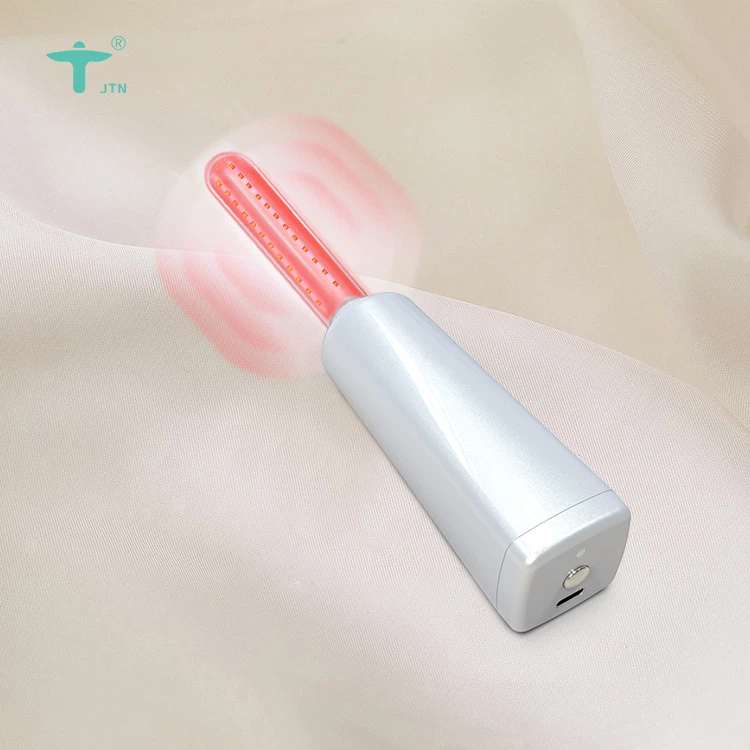
Understanding Lasers: A Brief Overview
Before delving into the differences, let's first understand what lasers are. A laser is a device that emits light through a process of optical amplification based on the stimulated emission of electromagnetic radiation. Lasers can produce a highly concentrated, coherent beam of light that can be used for various purposes, from cutting and welding in industrial applications to medical treatments and even entertainment.
Regular Lasers: High - Energy and Industrial Applications
Regular lasers, often referred to as high - power lasers, are designed to generate intense beams of light with high energy output. These lasers typically operate at wavelengths that can cause significant damage to biological tissues if not used properly.
In industrial settings, regular lasers are used for cutting, drilling, and welding materials such as metal, plastic, and wood. They can generate enough heat to melt or vaporize these materials, making them ideal for precision manufacturing processes. For example, in the automotive industry, lasers are used to cut and weld metal parts with high accuracy, improving the overall quality and efficiency of production.
In the medical field, high - power lasers are used in surgical procedures. They can be used to remove tumors, cauterize blood vessels, and reshape tissues. However, these procedures require highly trained medical professionals and specialized equipment due to the potential risks associated with the high energy of the laser. For instance, in ophthalmology, lasers are used to correct vision problems such as myopia and hyperopia by reshaping the cornea.
Portable Cold Lasers for Pain: Low - Energy and Therapeutic Benefits
Portable cold lasers for pain, on the other hand, are low - level lasers that emit light at a relatively low energy density. These lasers are also known as low - level laser therapy (LLLT) devices. Unlike regular lasers, cold lasers do not generate enough heat to cause damage to biological tissues.
The main mechanism of action of portable cold lasers for pain is based on photobiomodulation. When the low - level laser light is applied to the body, it is absorbed by the cells, which then triggers a series of biochemical reactions. These reactions can stimulate cell growth, reduce inflammation, and promote tissue repair.
Portable cold lasers for pain are commonly used for treating a variety of conditions, including musculoskeletal pain, arthritis, sports injuries, and nerve damage. They can be used at home or in clinical settings, providing a convenient and non - invasive alternative to traditional pain management methods. For example, athletes often use portable cold lasers to speed up the recovery process after an injury. The laser therapy can help reduce pain, swelling, and inflammation, allowing them to return to training and competition more quickly.
Key Differences between Portable Cold Lasers for Pain and Regular Lasers
Energy Output
The most significant difference between portable cold lasers for pain and regular lasers is the energy output. Regular lasers typically have a high energy density, which can range from several watts to kilowatts. In contrast, portable cold lasers for pain have a low energy density, usually in the range of milliwatts. This low energy output ensures that the laser does not cause thermal damage to the tissues while still providing therapeutic benefits.
Wavelength
Another difference is the wavelength of the laser light. Regular lasers can operate at a wide range of wavelengths, depending on their application. For example, industrial lasers often use infrared wavelengths, which are better suited for cutting and welding materials. Medical lasers used in surgery may use ultraviolet or visible light wavelengths.
Portable cold lasers for pain typically operate in the red and near - infrared wavelengths. These wavelengths can penetrate deep into the tissues, reaching the cells where they can have a therapeutic effect. The red and near - infrared light is also absorbed by specific chromophores in the cells, such as cytochrome c oxidase, which plays a key role in the photobiomodulation process.
Safety
Due to their high energy output, regular lasers pose a significant safety risk. They can cause burns, eye damage, and other injuries if not used properly. Special safety precautions, such as wearing protective eyewear and using laser - proof enclosures, are required when working with regular lasers.
Portable cold lasers for pain are generally considered safe when used as directed. They do not produce enough heat to cause burns, and the risk of eye damage is minimal. However, it is still important to follow the manufacturer's instructions and avoid direct eye exposure to the laser light.
Application
Regular lasers are mainly used in industrial and surgical applications, where high precision and power are required. Portable cold lasers for pain, on the other hand, are used for therapeutic purposes, such as pain management and tissue repair. They are designed to be easy to use, allowing patients to self - administer the treatment at home.
Our Portable Cold Laser Products
As a supplier of Portable Cold Laser for Pain, we offer a range of high - quality products that are designed to provide effective pain relief. Our products are based on the latest research in low - level laser therapy and are manufactured to the highest standards of quality and safety.
One of our popular products is the Gynecology Laser Therapy Stick. This portable device is specifically designed for gynecological applications, such as treating pelvic pain, inflammation, and menstrual disorders. It uses low - level laser light to stimulate blood circulation and promote tissue repair in the pelvic area.
Another product is the Red Light Therapy for Prostate. This device is designed to provide relief for prostate - related problems, such as prostatitis and benign prostatic hyperplasia. The red light therapy can help reduce inflammation, improve blood flow, and relieve pain in the prostate gland.
We also offer a variety of Low Level Laser Therapy Devices that can be used for general pain management and tissue repair. These devices are suitable for treating a wide range of conditions, including back pain, neck pain, joint pain, and sports injuries.
Why Choose Our Portable Cold Lasers?
- Effectiveness: Our portable cold lasers are backed by scientific research and have been proven to be effective in reducing pain and promoting tissue repair.
- Convenience: Our devices are portable and easy to use, allowing you to administer the treatment at home or on the go.
- Safety: Our products are designed with safety in mind and are manufactured to meet strict quality standards.
- Affordability: We offer our portable cold lasers at competitive prices, making them accessible to a wide range of customers.
Contact Us for Purchase and Consultation
If you are interested in learning more about our Portable Cold Laser for Pain products or would like to discuss your specific needs, please feel free to contact us. We have a team of experts who can provide you with detailed information and guidance on choosing the right product for you. Whether you are a healthcare professional looking to add our products to your practice or an individual seeking pain relief, we are here to help.
References
- Bjordal JM, Lopes-Martins RA, Iversen VV, et al. A systematic review of low level laser therapy with location-specific doses for pain from chronic joint disorders. BMC Musculoskelet Disord. 2006;7:52.
- Chow RT, Johnson MI, Lopes-Martins RA, Bjordal JM. Low-level laser therapy: a useful treatment to resolve pain and inflammation? A review of the relevant literature. Physiotherapy. 2009;95(1):14 - 22.
- Hamblin MR, Demidova TN. Mechanisms and applications of the anti - inflammatory effects of photobiomodulation. Biochem Pharmacol. 2018;147:107 - 121.